Some BMW decisions start with horsepower. This one might start with a head count. The all-new 2027 BMW X5 gives five people a wonderfully good reason to enjoy the drive: a 394-horsepower inline-six, BMW’s newest panoramic cockpit and an SUV that doesn’t need a third row to make a big impression. The 2027 BMW X7 has a different invitation. Six or seven coming along? There’s room for them, too—and no requirement that the person behind the wheel surrender the fun.
Here’s the short answer. Choose the X5 40 xDrive if five seats suit your household and you want the new-generation BMW driving experience at the lower starting price. Choose the X7 xDrive40i when a sixth or seventh passenger is a regular part of the plan, or when its flexible three-row cabin solves the way you travel. The interesting question isn’t which BMW is bigger. It’s which one you’ll want to take the long way home.


Start with two comparable six-cylinder, all-wheel-drive models: the 2027 X5 40 xDrive and the 2027 X7 xDrive40i. Both carry turbocharged six-cylinder engines and xDrive, but their priorities show up quickly in the numbers. The X5 brings more power and a shorter body; the X7 makes space for people a two-row vehicle simply cannot carry.
| Specification | 2027 BMW X5 40 xDrive | 2027 BMW X7 xDrive40i |
|---|---|---|
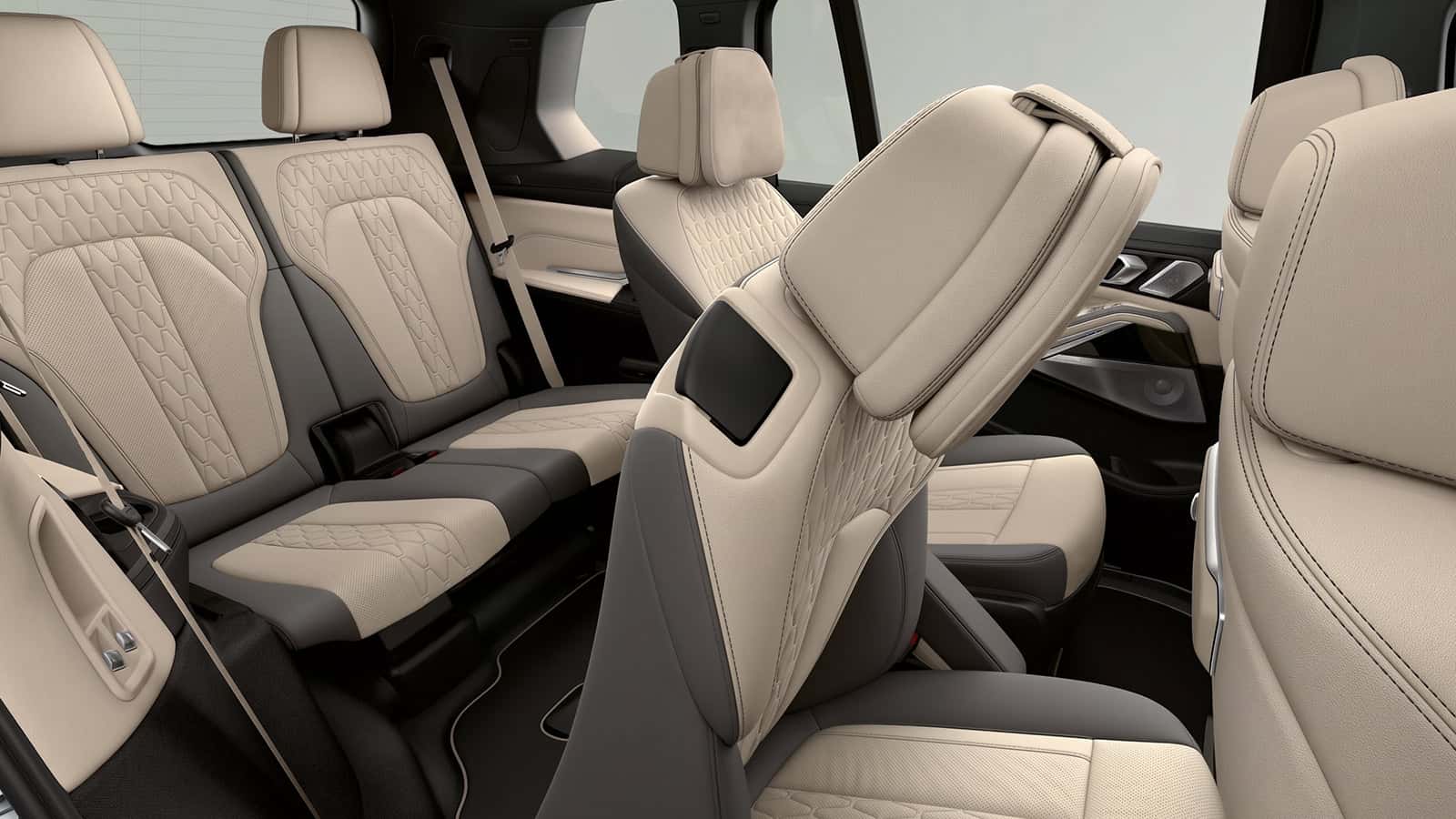
| Passenger seating | 5; two rows | 7 standard; 6 with available captain’s chairs |
| Third row | Not offered | Standard |
| Manufacturer starting MSRP | $72,100 | $87,500 |
| Horsepower | 394 hp | 375 hp |
| Torque | 428 lb-ft | 398 lb-ft |
| BMW-published 0–60 mph | 5.1 seconds | 5.6 seconds |
| Overall length | 197.2 inches | 203.6 inches |
| Cargo with every row upright | 27.3 cu ft behind second row | 12.8 cu ft behind third row |
| Cargo with X7 third row folded | Not applicable | 48.6 cu ft; second row remains upright |
| Maximum cargo with rear seats folded | 67.7 cu ft | 90.4 cu ft |
| Published city/highway MPG | 24 / 28 (BMW preliminary estimates) | 21 / 25 |
2027 figures apply to the named trims. Starting MSRPs exclude destination, options, taxes, registration and dealer charges; actual prices vary. BMW 0–60 times are manufacturer tests. X5 MPG estimates are preliminary; actual mileage varies. Cargo figures reflect the seat positions shown.
The first surprise is that the smaller BMW is the more powerful one here: the X5 delivers 19 additional horsepower, with a BMW-published 0–60 mph time half a second quicker. The X7 measures 6.4 inches longer. Those are useful facts, but the deciding number may still be something else entirely: how often you need seat number six.
The X7 is bigger on the outside, so surely it carries more luggage all the time? Not quite. With five people seated in the X5, you have 27.3 cubic feet behind the rear seat. With all seven seats in the X7 occupied, there are 12.8 cubic feet behind its third row. If seven people arrive with seven large suitcases, the extra seats solve the passenger problem—but the luggage still needs a plan. That’s not a flaw unique to BMW. It’s why the position of the seats matters as much as the advertised maximum.
Fold the X7’s third row and the cargo area opens to 48.6 cubic feet while its second row stays available. Fold both rear rows and the X7 reaches 90.4 cubic feet; the X5 reaches 67.7 cubic feet with its second row folded. Those maximum figures do not come with a full passenger cabin. Take the bag, stroller or set of golf clubs that usually makes your trunk a game of Tetris, and try the layout in person. Cubic feet help you compare. A tailgate that closes without an argument is better.

BMW lists a $72,100 manufacturer starting MSRP for the X5 40 xDrive and $87,500 for the X7 xDrive40i—a difference of $15,400 before destination, options, taxes, registration and dealer charges. Those are not quotes for equally equipped vehicles, and they are not a dealer savings offer. But they make the decision clearer: if you rarely carry more than five people, the X5 gives you BMW’s newer cockpit and the stronger six-cylinder figure at the lower starting price. If you regularly need all three rows, the X7’s extra seats are not an indulgence. They are a capability you will actually use.
The two-row X5 also has the more favorable published fuel-economy figures in this pairing: BMW’s preliminary 24 mpg city and 28 mpg highway estimates versus 21/25 mpg for the X7 xDrive40i. The X5 numbers await official confirmation, and actual mileage depends on how and where you drive, so this is a comparison point—not a promised annual fuel saving. Both named models include xDrive all-wheel drive. The question is where you want the extra space, the extra horsepower and the extra dollars to work for you.
The six-cylinder comparison is the cleanest place to start, not the end of the BMW conversation. BMW has announced the 2027 X5 50e xDrive plug-in hybrid with 483 combined horsepower and the all-electric iX5 60 xDrive, planned to follow the initial gasoline X5 rollout in early 2027. The X7 range also includes the 523-horsepower M60i with a turbocharged V8. Each changes the performance, price or powertrain conversation, so compare those versions on their own merits rather than mixing their specifications into the two six-cylinder columns above. Confirm release timing and local availability before making plans.

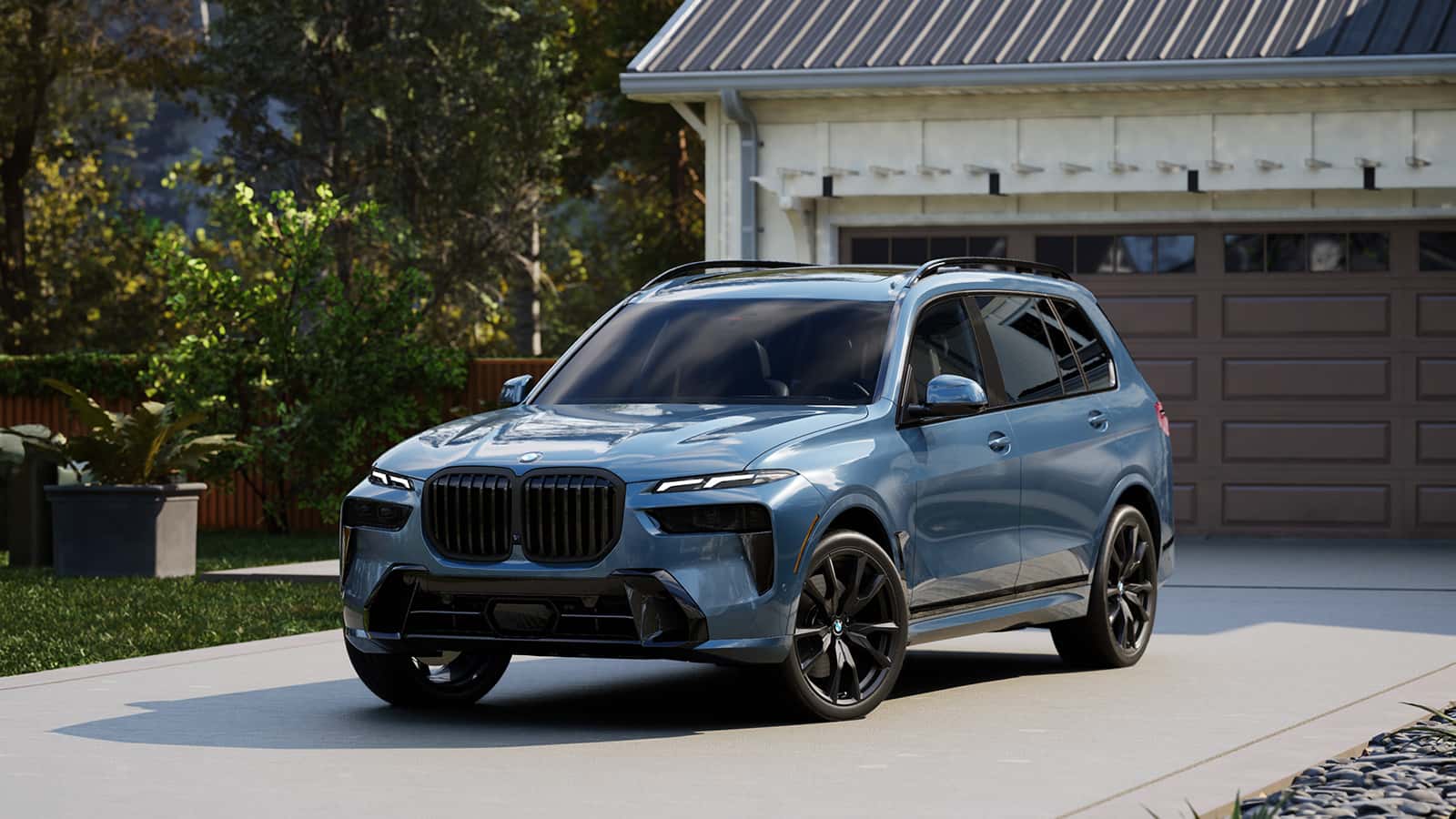
You probably don’t spend your weekdays on an empty mountain road. You spend them joining traffic on U.S. 41, navigating the turns around U.S. 30 and, sometimes, settling into a longer run toward I-80/94. That’s a much better setting for a useful BMW comparison. In the X5, see how the new displays, driving position and inline-six respond to your routine. In the X7, look over your shoulder, try the parking spaces you actually use and ask your passengers to climb into the third row. The X7 is 6.4 inches longer; even a difference that modest on paper can be worth checking in a garage or crowded lot.
Both compared vehicles include xDrive, but winter driving is a reminder that all-wheel drive helps with traction, not stopping distance on ice. Tires, speed and following distance still matter. Visit BMW of Schererville at 1400 U.S. 41 with the passengers and gear you would really bring, and request a test drive in an available X5 or X7. Tell the team you are comparing both; they can confirm which 2027 configurations are available to see or drive. The best test isn’t which SUV looks impressive on a screen. It’s which one fits your everyday drive and makes you want another.
No. The redesigned 2027 BMW X5 has two rows and seating for five. If you routinely need six or seven belted seating positions in one BMW, the three-row X7 is the appropriate starting point. Don’t confuse folding cargo space with an additional passenger seat.
The 2027 BMW X7 seats seven in its standard configuration with a second-row bench. Available captain’s chairs reduce seating to six and offer a different path to the third row. If seven seats are essential, check the actual configuration before choosing a vehicle.
The X5 40 xDrive provides 27.3 cubic feet behind its second row with all five seats available. The X7 has 12.8 cubic feet behind its third row when all seven seats are usable. Fold the X7’s third row to get 48.6 cubic feet, or both rear rows for up to 90.4 cubic feet. The X5 reaches 67.7 cubic feet with its second row folded.
BMW lists starting MSRPs of $72,100 for the 2027 X5 40 xDrive and $87,500 for the X7 xDrive40i, a $15,400 difference. These manufacturer figures exclude destination, equipment, taxes, registration and dealer charges, and they do not describe vehicles with matched options. Compare actual window stickers and terms before deciding.
In the two six-cylinder versions compared here, yes. The X5 40 xDrive produces 394 horsepower versus 375 horsepower for the X7 xDrive40i. BMW publishes 0–60 mph times of 5.1 and 5.6 seconds, respectively, under its testing procedures. The X7 M60i is a different performance model with 523 horsepower, so the answer depends on the exact trim.
The 2027 X7 xDrive40i is 203.6 inches long and the 2027 X5 40 xDrive is 197.2 inches long, a 6.4-inch difference. Both are listed at 78.7 inches wide without mirrors, but the X7 is taller and has a third row. Try your normal parking space and garage clearance rather than relying on photographs alone.
Yes, the named X5 40 xDrive and X7 xDrive40i both include BMW xDrive all-wheel drive. BMW has also announced a rear-wheel-drive 2027 X5 40, so check the actual model designation rather than assuming every X5 is AWD. All-wheel drive is not a substitute for appropriate tires or careful winter driving.
BMW of Schererville can help you explore both models and request a test drive in a suitable vehicle. Ask about the specific 2027 models and seating configurations available when you plan your visit. If you want a direct comparison, tell the team so you can arrange the most useful available experience.