Start with two closely matched SUVs: the 2026 BMW X3 30 xDrive and the 2026 Audi Q5 with its 2.0-liter TFSI engine and quattro all-wheel drive. These are the everyday models, not the higher-performance BMW X3 M50 xDrive and Audi SQ5. That distinction matters, because a fair comparison should not borrow horsepower, equipment or pricing from a different version of either vehicle.
| Published specification | 2026 BMW X3 30 xDrive | 2026 Audi Q5 2.0 TFSI quattro |
|---|---|---|
| Manufacturer starting MSRP | $51,300 | $52,800 |
| Engine | 2.0L turbo four-cylinder; 48V mild hybrid | 2.0L turbo four-cylinder |
| Horsepower | 255 hp | 268 hp |
| Torque | 295 lb-ft | 295 lb-ft |
| Transmission | 8-speed automatic | 7-speed dual-clutch automatic |
| All-wheel drive | Standard xDrive | Standard quattro |
| EPA city / highway / combined | 27 / 33 / 29 mpg | 21 / 29 / 24 mpg |
| Cargo behind second row | 31.5 cu ft | 27.6 cu ft |
| 2026 IIHS award | TOP SAFETY PICK+ | TOP SAFETY PICK+ |
Figures apply to the named 2026 U.S. models. Starting MSRPs are manufacturer reference prices, not dealer offers or identically equipped transaction prices; destination, options, taxes, registration and dealer fees may affect final cost. MPG figures are EPA estimates and actual mileage varies. Published cargo measurements may use differing manufacturer methods. IIHS awards apply to qualifying model-year vehicles and do not guarantee a particular crash outcome.
The Audi's 268 horsepower leads the standard X3 by 13, and both publish 295 lb-ft of torque. But consider the rest of the page before letting a single number choose your next vehicle: the BMW starts $1,500 lower, rates five mpg higher in combined fuel economy, and lists 3.9 more cubic feet of cargo room behind the rear seats. That's a compelling opening argument for an SUV that also wants to make the drive itself memorable.
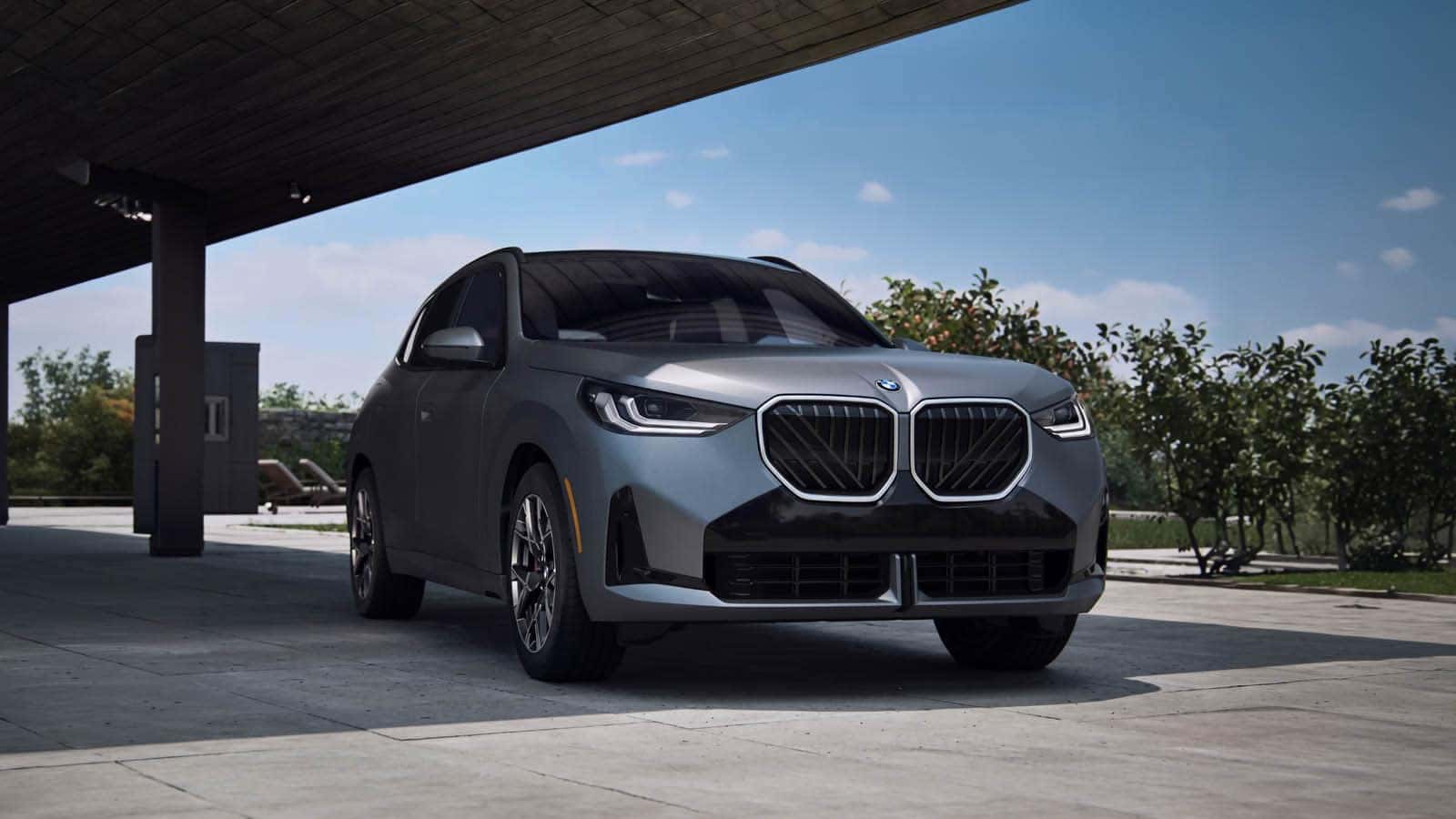
SUV shopping can come with sticker shock. Here, the first surprise works in the BMW's favor. BMW lists the 2026 X3 30 xDrive at a $51,300 starting MSRP; Audi lists the 2026 Q5 quattro at $52,800. That is a $1,500 difference before you select paint, wheels, options or the exact vehicles you want to compare. It's not a promise that any particular BMW on the lot will cost less than a particular Audi, but it is a meaningful reason not to assume the four-ring badge is the less expensive entry point. Price is only the opening bid in a SUV decision. Audi may include equipment that matters to you in a particular configuration, while BMW may offer the seating, controls or available chassis features you prefer. Compare the actual window stickers and total purchase or lease terms—not merely the headline MSRPs. Then ask a more enjoyable question: which of those two vehicles would you be excited to walk out to every morning?
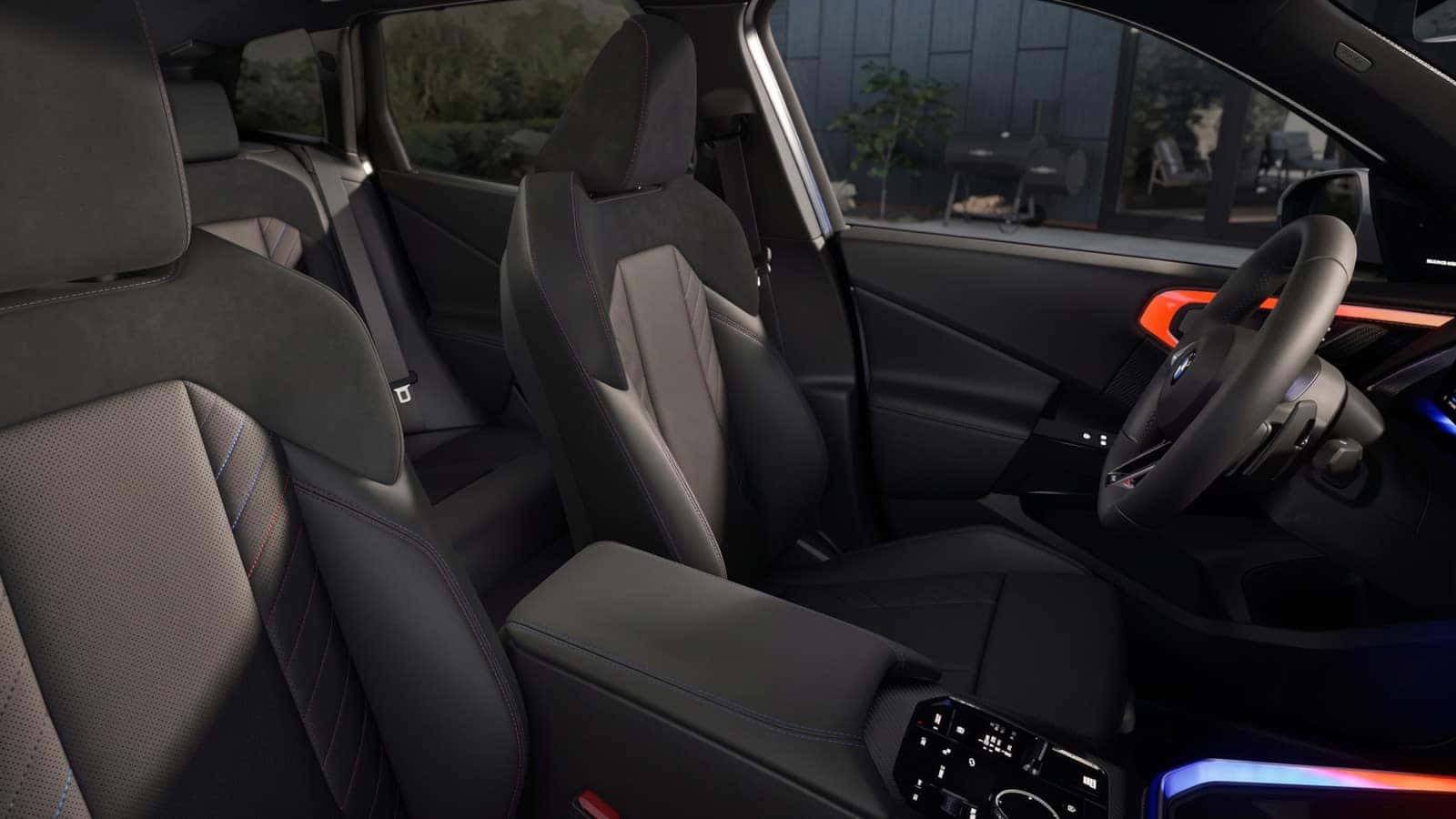
The BMW X3 30 xDrive is a turbocharged four-cylinder SUV with 48-volt mild-hybrid technology. It isn't a plug-in and doesn't require charging. Its EPA estimates are 27 mpg city, 33 highway and 29 combined; the 2026 Q5's are 21 city, 29 highway and 24 combined. On paper, the BMW asks for fewer fuel stops while still delivering 255 horsepower and 295 lb-ft of torque. That's a particularly appealing combination when your week moves between quick local errands and longer stretches of highway. Here's what those ratings look like beyond the dashboard: at 12,000 miles a year, the published combined estimates imply roughly 414 gallons of gasoline for the X3 and 500 for the Q5—a difference of about 86 gallons. That's arithmetic, not an actual-savings guarantee; driving conditions, fuel, temperature, wheels and driving style will change your result. Still, the idea is hard not to like: more miles between fill-ups, with the BMW driving experience still waiting for you at every turn.
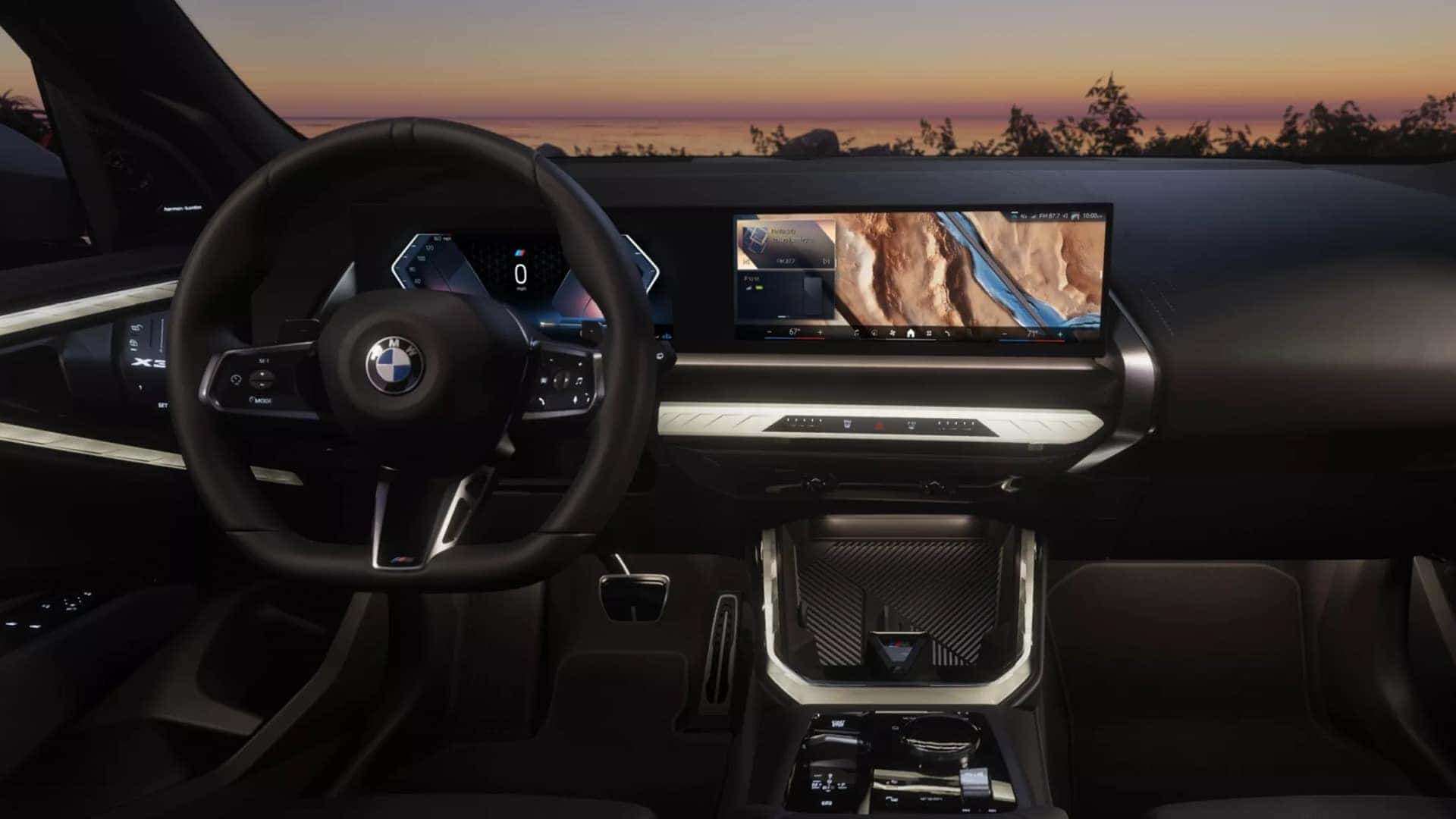
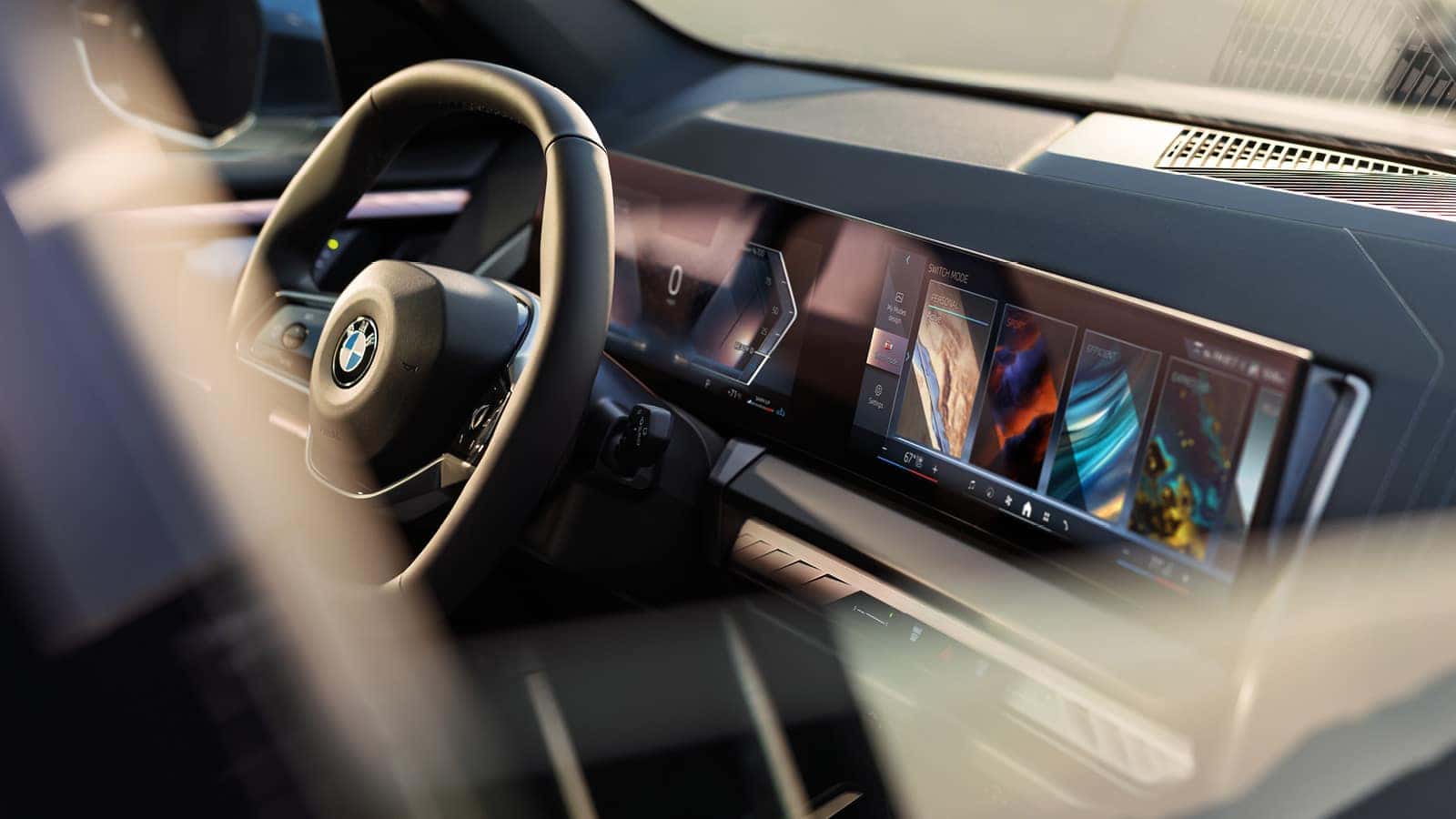
A cabin should impress your passengers. A BMW cabin should also reward the person who chose the route. The X3's BMW Curved Display pairs a 12.3-inch digital instrument cluster with a 14.9-inch central touchscreen. BMW Operating System 9, the voice-activated Intelligent Personal Assistant and the illuminated Interaction Bar help set the stage, while standard front sport seats give the experience a physical starting point. The appeal isn't the number of pixels. It's how the driver, the seat and the controls come together when the trip begins. Audi has its own persuasive answer: an 11.9-inch virtual cockpit and a 14.5-inch central MMI display, with an available 10.9-inch front-passenger screen. If your co-pilot wants a display of their own, that is a genuine Q5 advantage worth investigating. Put both systems through the same everyday routine: set a destination, make an audio adjustment and try the voice controls. Don't buy a dashboard by the inch. Choose the cabin you want to spend time in when the novelty wears off and the driving begins.

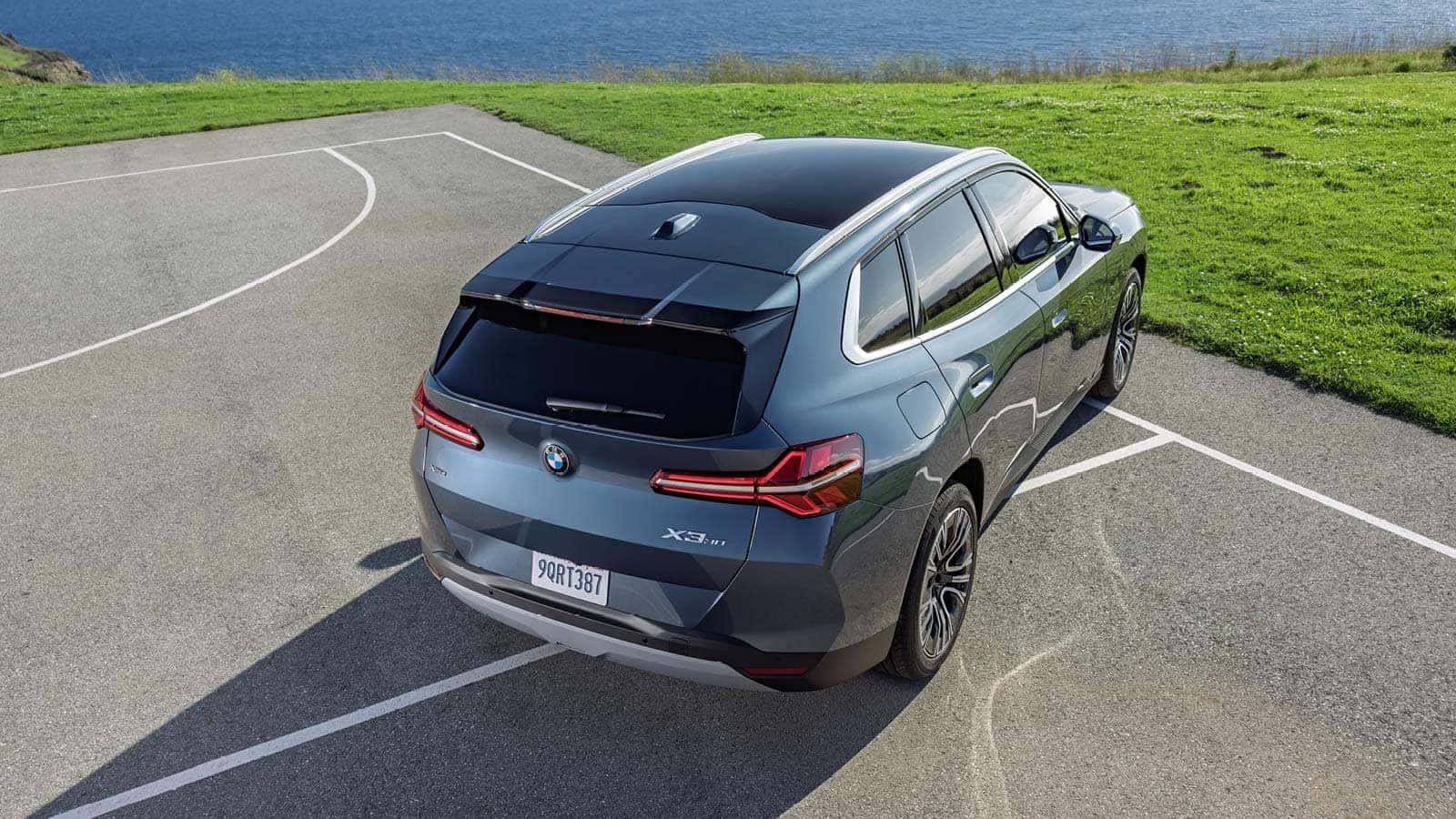
Nobody packs for a weekend by carefully arranging their bags into perfect cubic-foot shapes. Even so, cargo numbers help. With the rear seats upright, the 2026 BMW X3 lists 31.5 cubic feet of cargo space versus 27.6 in the Q5 SUV. That 3.9-cubic-foot published advantage is worth remembering when the trip involves luggage, shopping, a stroller or sports gear and you still need room for passengers. Now the Audi gets its turn. The Q5 publishes 38.0 inches of rear legroom compared with 36.3 in the X3; a taller passenger may appreciate that difference. Published dimensions tell you where to look, not exactly how someone will feel in a seat. Bring the person who usually rides in back, bring the gear that always seems to be an awkward fit, and try both. That's a fairer test than asking either manufacturer's brochure to pack your trunk.
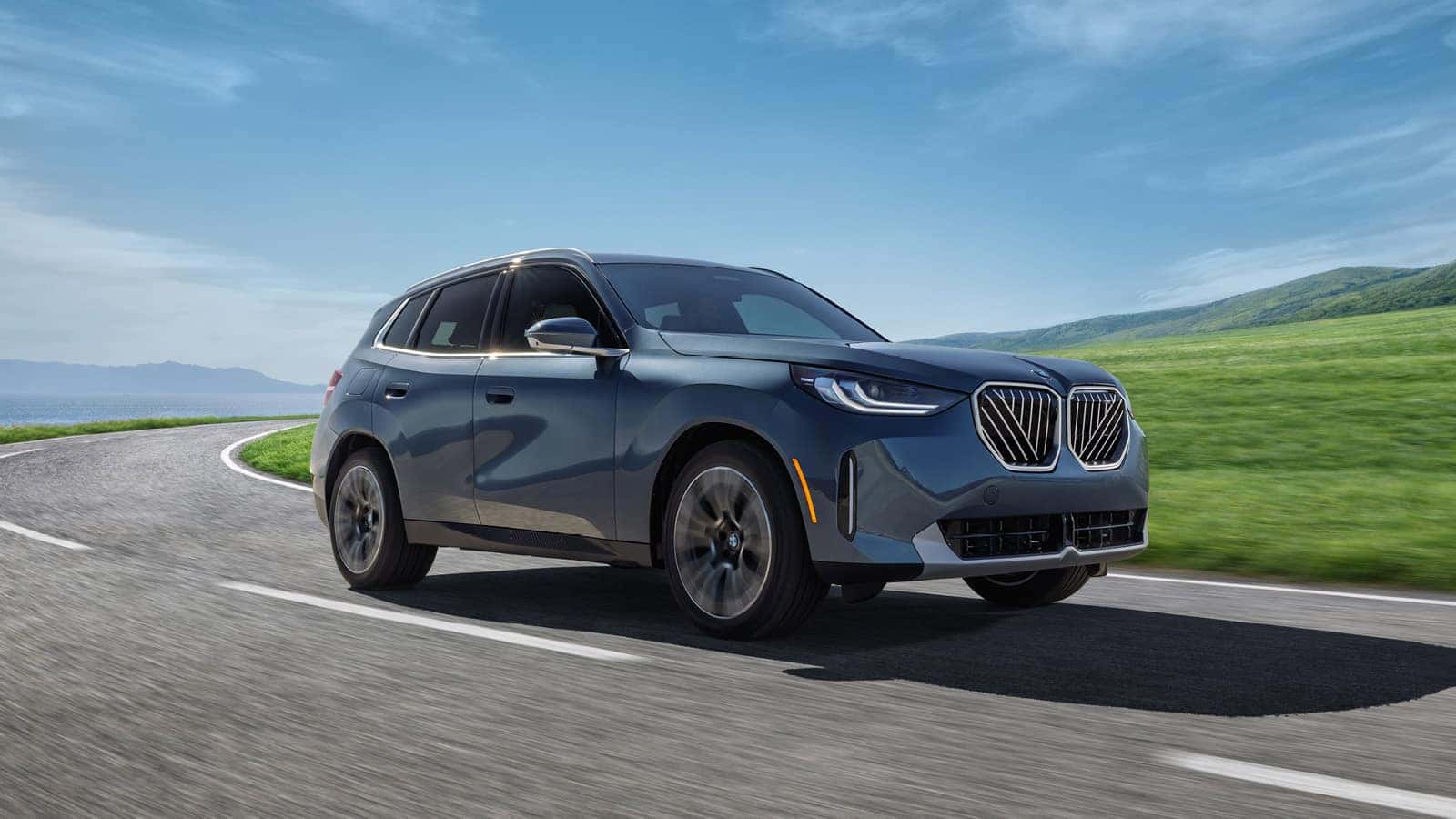
Specifications are excellent at comparing numbers. They're less talented at describing a steering wheel in your hands. BMW offers available Dynamic Damper Control in the X3, which adapts suspension response to the road and your driving style; SPORT My Mode provides tighter tuning. The Q5 counters with available adaptive air suspension that can adjust ride height as well as ride behavior. Neither feature belongs to every vehicle carrying the badge, so confirm the equipment on the exact SUV you plan to drive. Around Schererville, a useful test is not a dramatic mountain pass you will never visit. It's the familiar sequence of signals along U.S. 41, the flow of U.S. 30 and the transition to an I-80/94 highway stretch when your route calls for it. Notice the quiet moments, the seat support, the steering response and the way the vehicle settles after a change of direction. The X3 is designed to invite the driver into the experience; the only honest way to discover whether that invitation speaks to you is to take the drive.
There is no need to invent a safety victory for either nameplate. The Insurance Institute for Highway Safety awarded both the 2026 BMW X3 and 2026 Audi Q5 SUV its TOP SAFETY PICK+ designation in the midsize SUV class. That's a meaningful reason to respect both vehicles, not proof that every version has identical driver-assistance equipment or that any system can prevent every crash. Compare the actual features, settings and limitations on the vehicles you're considering. Both models also have standard all-wheel drive, useful when traction becomes a challenge. But xDrive and quattro cannot make ice disappear, and all-wheel drive does not shorten stopping distances on a slick road. Around Northwest Indiana, conditions can change between a cleared main road, a bridge deck and a shaded neighborhood street. Proper tires, speed and following distance still matter more than a badge on the tailgate.
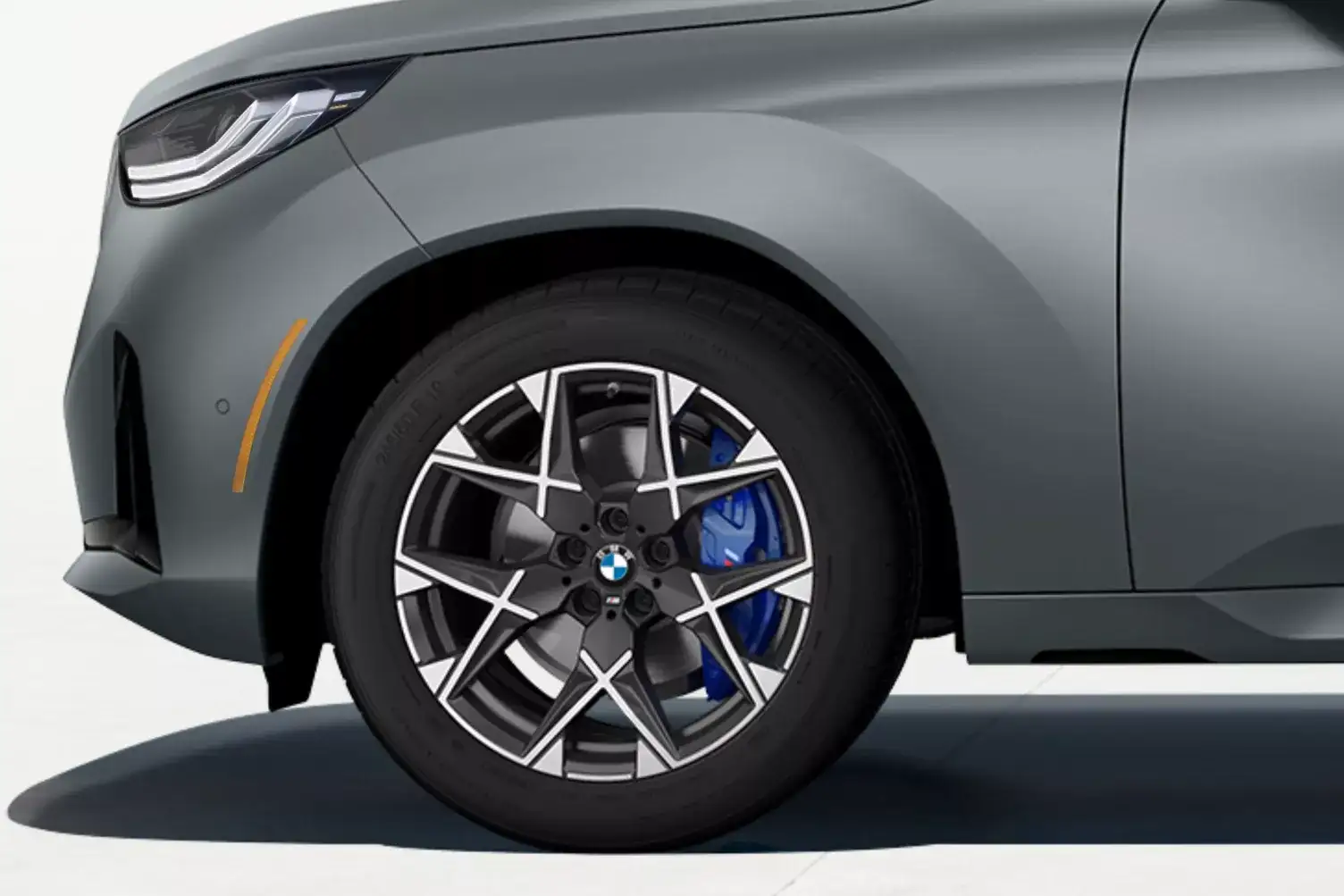
If 255 horsepower sounds sensible but your right foot has more ambitious ideas, BMW has an answer. The 2026 X3 M50 xDrive steps up to a turbocharged inline-six with 48-volt mild-hybrid technology, rated at 393 horsepower and 428 lb-ft of torque. The 2026 Audi SQ5's turbocharged V6 produces 362 horsepower and 406 lb-ft. BMW also gives the M50 Adaptive M Suspension and Variable Sport Steering, making the performance upgrade about more than a larger number in the horsepower column. BMW publishes a 4.4-second 0–60 mph time for the X3 M50; Audi publishes 4.6 seconds for the SQ5. Those are each manufacturer's figures, not a same-day independent test, and actual results vary. The point is not to treat an acceleration claim as an invitation to test it on public roads. It's that the BMW X3 family has a decidedly more spirited chapter for drivers who want it. Keep M50 versus SQ5 pricing and equipment separate from the standard X3/Q5 comparison.
A vehicle can win your attention on Saturday and still has to work for you on Monday. For eligible new 2026 models, BMW Ultimate Care includes specified scheduled maintenance for 36 months or 36,000 miles, whichever comes first. Audi Signature Care includes specified scheduled maintenance for 36 months or 30,000 miles, whichever comes first. That 6,000-mile difference in stated eligibility could matter to a driver covering a longer regional commute, although the programs have different covered-service terms and should never be described as identical protection. Ask BMW of Schererville to walk through the actual vehicle's maintenance information alongside its equipment and pricing. For drivers whose routines include Indiana and Illinois highway miles, the right SUV needs to remain enjoyable and sensible after the first thousand miles, not just the first ten. Those questions are part of choosing well—not a distraction from the excitement of the test drive.
Yes. The manufacturers list starting MSRPs of $51,300 for the 2026 BMW X3 30 xDrive and $52,800 for the 2026 Audi Q5 quattro, a $1,500 difference. These are base model reference prices, not dealer transaction quotes or matched-equipment comparisons. Options, destination, taxes and dealer charges can affect what you actually pay; review the window stickers and full terms for the vehicles you are considering.
The 2026 BMW X3 30 xDrive is EPA-estimated at 29 mpg combined versus 24 mpg combined for the 2026 Audi Q5 2.0 TFSI quattro SUV. BMW's five-mpg advantage is based on the published U.S. ratings; actual mileage varies. The X3's 48-volt mild-hybrid system does not need to be plugged in.
Yes. The standard 2026 Audi Q5 produces 268 horsepower versus 255 for the BMW X3 30 xDrive, with both engines publishing 295 lb-ft of torque. Higher horsepower does not, by itself, settle steering feel, ride character or total value. For the higher-performance pair, the BMW X3 M50 xDrive produces 393 horsepower and the Audi SQ5 produces 362; compare those models separately.
The BMW X3 has more published cargo volume behind its upright rear seats: 31.5 cubic feet versus 27.6 for the Audi Q5 SUV. Audi lists more rear legroom at 38.0 inches versus 36.3 for the X3. Because manufacturers may measure space differently and people sit differently, physically test your passengers and your usual gear in both vehicles.
Yes. Both the 2026 BMW X3 and Audi Q5 SUV earned the 2026 IIHS TOP SAFETY PICK+ award in the midsize SUV category. The award is based on defined safety evaluations and does not mean all trims have identical assistance equipment or that a crash is preventable in every situation. Review the specific vehicle's features and limitations.
Yes. The 2026 BMW X3 M50 xDrive features a turbocharged inline-six producing 393 horsepower and 428 lb-ft of torque, along with Adaptive M Suspension and Variable Sport Steering. BMW publishes a 4.4-second 0–60 mph figure under its testing methodology. Ask to compare the M50's equipment, ride and price separately from the 255-hp X3 30 xDrive and any Audi SQ5 you are considering.
BMW xDrive and Audi quattro all-wheel drive are standard on the named 2026 X3 30 xDrive and Q5 configurations. Adaptive suspension is different: BMW Dynamic Damper Control and Audi adaptive air suspension are available features, not something to assume on every vehicle. Confirm options on the exact window sticker, and remember that all-wheel drive does not replace appropriate winter tires or cautious driving.
A spreadsheet can show you the X3's lower starting MSRP, its stronger EPA combined fuel-economy estimate and its additional published cargo space. It can even acknowledge, fairly, that the Audi Q5 has more standard horsepower and rear legroom. What it cannot capture is the moment you settle into the BMW's sport seat, take hold of the wheel and decide whether this is the kind of SUV that makes an ordinary drive feel less ordinary. That's the part worth experiencing rather than imagining.
Visit BMW of Schererville at 1400 U.S. 41 in Schererville, Indiana. Explore the available X3 models, look at the actual equipment and pricing, and request a drive in the version that interests you. The Audi Q5 belongs on a serious shortlist. We think the X3 deserves your driver's seat next. Inventory and test-drive availability must be confirmed with the dealership.