


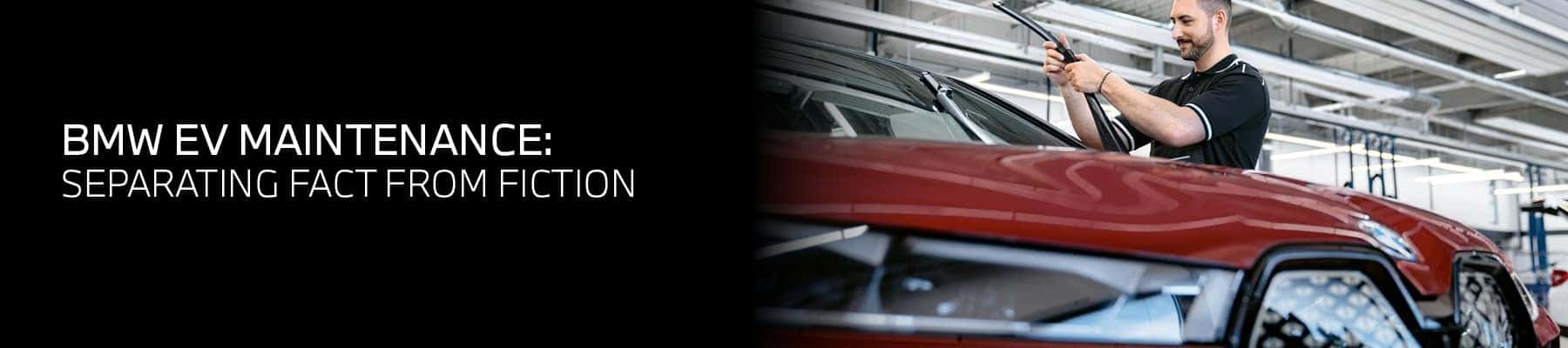
EV Maintenance
The short answer to whether electric BMWs need maintenance is yes. Just not in the same way traditional gas-powered vehicles do. BMW electric vehicles like the i4, iX, and i7 are engineered to eliminate many of the high-maintenance systems found in internal combustion engine vehicles. There’s no engine oil, timing belt, spark plugs, or exhaust system. That alone cuts down on regular service needs and reduces long-term ownership costs. But EVs aren’t “set it and forget it” machines. They rely on advanced technology—like regenerative braking, high-voltage batteries, and thermal management systems — that require professional monitoring and occasional care. Neglecting these systems can reduce range, compromise safety, and void your warranty.
Before diving into what your BMW EV does need, let’s clear up some of the most common myths we hear in our Schererville service center:
1. Regenerative Braking
Regenerative braking is a game-changer. It slows your vehicle by converting kinetic energy into stored battery power, reducing wear on traditional brake pads. But it doesn’t eliminate the need for brake maintenance. Over time, brake fluid absorbs moisture, and calipers still need lubrication. Pads and rotors should also be inspected, especially if you drive in stop-and-go traffic or colder climates.
2. EV Batteries
Second, there’s a belief that the battery will last forever without service. BMW EVs use sophisticated lithium-ion battery systems with thermal regulation to maintain optimal performance. Over the years, the coolant that protects this battery from overheating must be flushed and replaced. Software updates also optimize battery efficiency. Just like you’d service a gas engine to preserve its life, a battery system benefits from periodic maintenance.
3. EV Maintenance
Finally, there’s the assumption that any mechanic can work on an EV. That’s simply not true. BMW EVs contain high-voltage components that require specialized training and diagnostic tools. Taking your i4 or i7 to an untrained mechanic can result in improper repairs – or worse, safety hazards. Always trust a certified BMW technician for EV service.
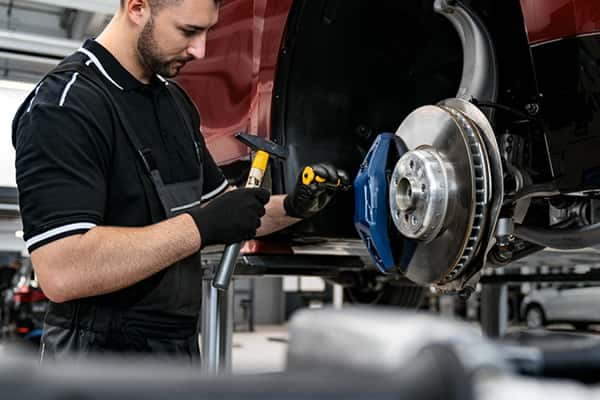
Now let’s take a closer look at the routine services your BMW EV should receive, even if it doesn’t need oil changes:
Key BMW EV Maintenance Services
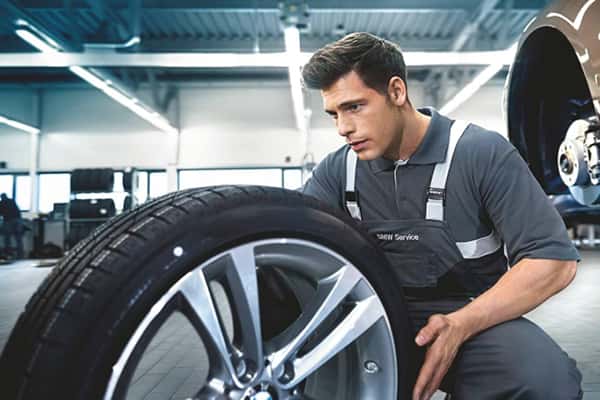
Tire Rotations
Tire rotations are essential. EVs are heavier than gas vehicles due to their battery packs, and they deliver instant torque. This combination causes tires to wear more quickly—especially if they’re not rotated on schedule. Rotate your tires every 5,000 to 7,500 miles and inspect them for uneven wear to extend tire life and preserve efficiency.
Brake Fluid Flush
Even with regenerative braking reducing brake pad wear, brake fluid should be flushed every two years. Moisture can accumulate in the brake lines over time, leading to brake fade and decreased responsiveness. This service should also include a full inspection of the braking system for optimal safety.
High-Voltage Battery Coolant
Your BMW EV’s battery features a dedicated coolant system to manage heat during driving and charging. Like any fluid, the coolant degrades over time. Flush and replace this coolant every 10 years or 100,000 miles, depending on your model and usage.
Cabin Air Filter
Designed for comfort and clean airflow, the cabin air filter traps dust, pollen, and pollutants. Replace it every 15,000 to 20,000 miles or once per year to maintain air quality inside the vehicle.
12-Volt Battery
In addition to the main high-voltage battery, your vehicle uses a 12-volt battery for startup and accessories. These batteries wear out over time. Test or replace the 12-volt battery every 5 to 7 years, or earlier if signs of failure appear.
Software Updates
BMW regularly releases updates that enhance performance, safety, and charging. While some are available over-the-air, others may require a dealership visit. Schedule annual service appointments to ensure your EV is running the latest manufacturer-approved software.
A typical BMW EV service visit at BMW of Schererville includes a range of inspections and diagnostics tailored to your vehicle. You can expect a digital battery health report, brake system evaluation, tire wear analysis and rotation, cabin filter replacement, charging port inspection, and software or firmware updates. Our team also provides consultations for home charging installation, range optimization tips, and service plan options.
So why does EV maintenance still matter, even if it’s less frequent? Skipping routine service on a gas car usually leads to performance issues or costly repairs. With EVs, the signs of neglect may be more subtle, but they’re just as serious. Poor battery cooling or underinflated tires can reduce range. Ignoring brake fluid changes or tire wear can compromise safety. Missed service intervals can void your warranty. And a poor maintenance record can hurt your resale or trade-in value.
BMW EV Maintenance Timeline
Here’s a general idea of what your BMW EV might need, based on mileage and time:
- Every 5,000 to 7,500 miles: Rotate tires and check suspension and brake components.
- Every 12 months: Inspect or replace the cabin filter and review for software updates.
- Every 24 months: Flush the brake fluid and perform a full system inspection.
- Every 5 to 7 years: Test or replace the 12-volt battery.
- Every 10 years: Flush the high-voltage battery’s coolant system.
Always consult your BMW owner’s manual or speak with a certified technician for exact intervals.
Warranty coverage is another reason to stay current on service. Most new BMW EVs include a 4-year / 50,000-mile limited warranty and an 8-year / 100,000-mile warranty for the high-voltage battery. However, missed service or work done by unauthorized shops can affect that coverage. By servicing at BMW of Schererville, you’re keeping your vehicle protected and ensuring all work is performed by EV-trained experts. One of the most exciting aspects of EV ownership is the shift toward predictive maintenance. BMW EVs gather driving data and can alert you to upcoming service needs before problems arise. At BMW of Schererville, we use this technology to provide a more proactive service experience. Our team can tailor care recommendations based on how, when, and where you drive — eliminating guesswork and maximizing uptime.
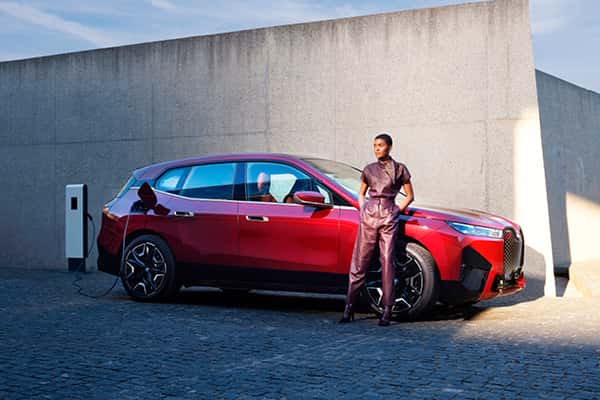
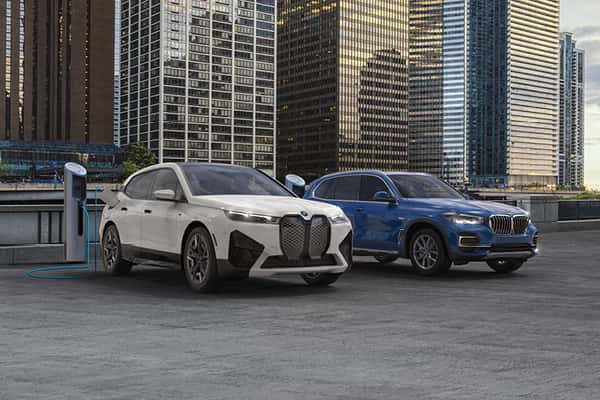
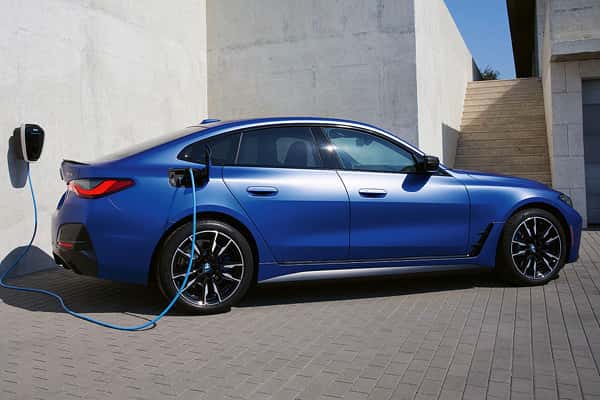
BMW EVs offer a smarter, smoother, and more efficient driving experience, but they still require intelligent maintenance. Whether you’re cruising through Schererville in your iX, commuting from Merrillville in an i4, or exploring weekend routes in your i7, proper care ensures your EV continues to perform at its best. At BMW of Schererville, our EV-certified technicians are trained in high-voltage systems, battery diagnostics, and software programming. We use genuine BMW parts and offer specialized EV service plans that match your vehicle and lifestyle. You can even schedule service online or ask about EV-specific checkups during your next visit.
If you have questions about BMW EV service or are ready to schedule a routine checkup, contact our team today. We’re proud to support the growing community of electric BMW drivers throughout Northwest Indiana with the service, expertise, and technology that sets BMW apart. Let us help you protect your investment, preserve your range, and enjoy every mile behind the wheel of your BMW EV.
0 comment(s) so far on EV Maintenance